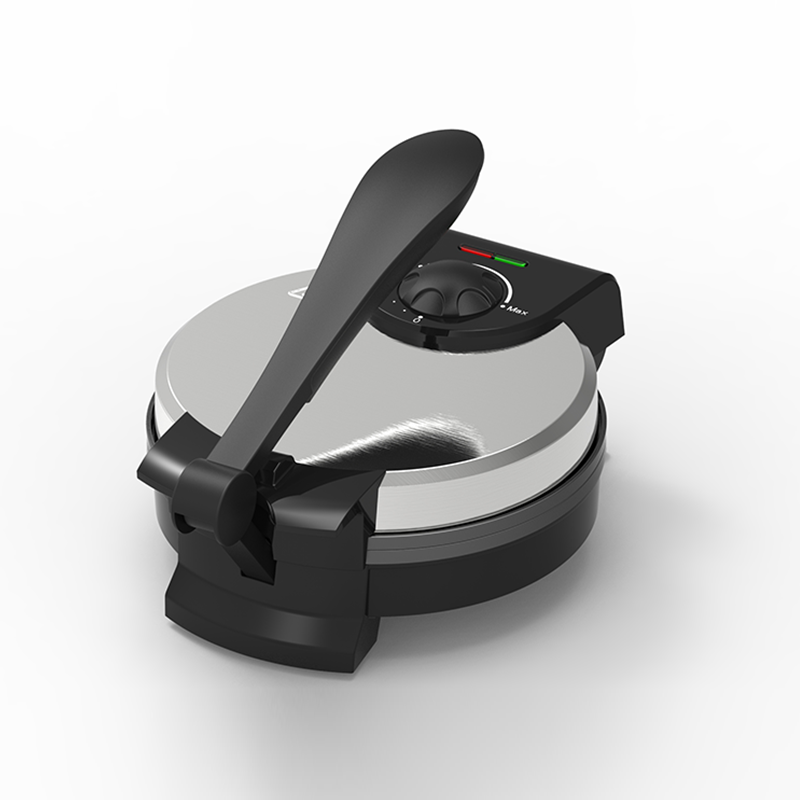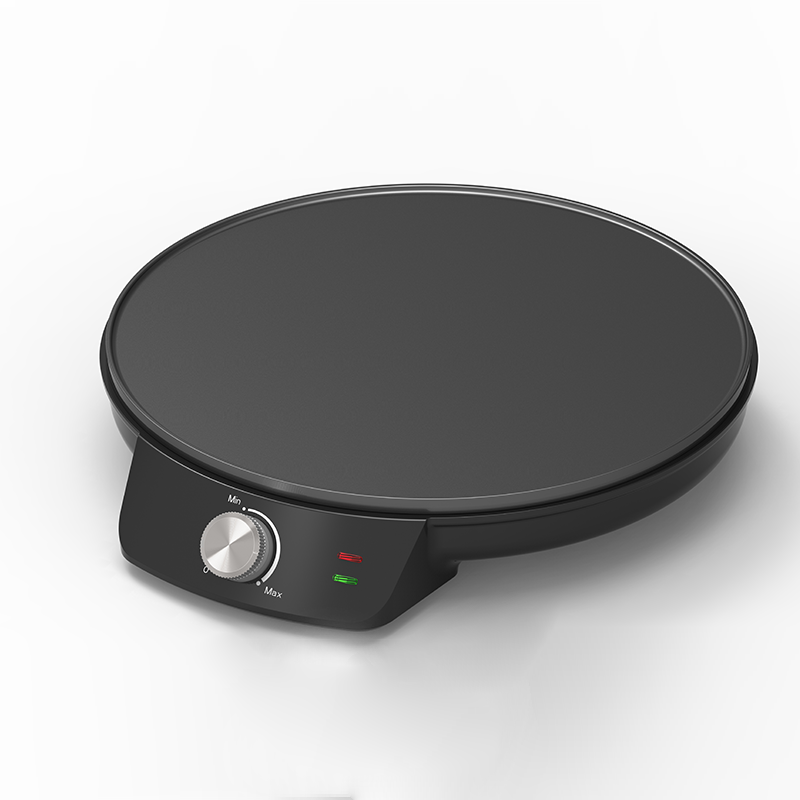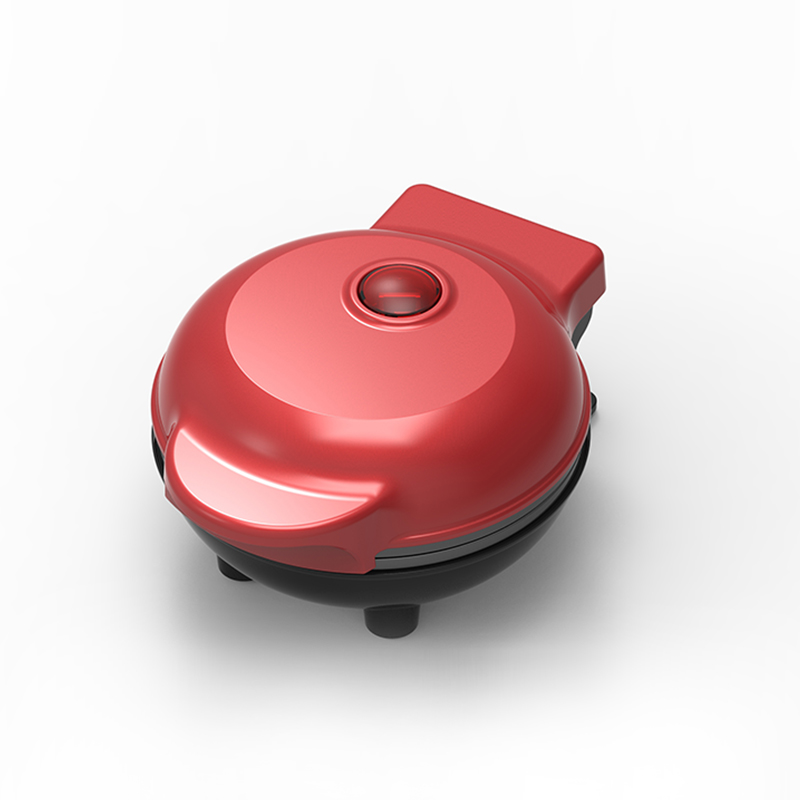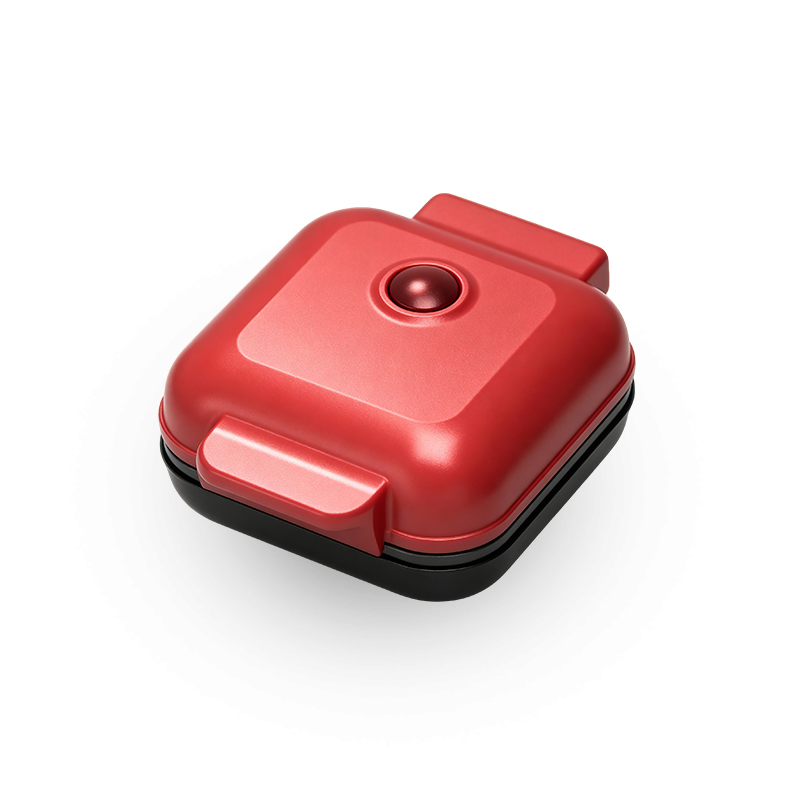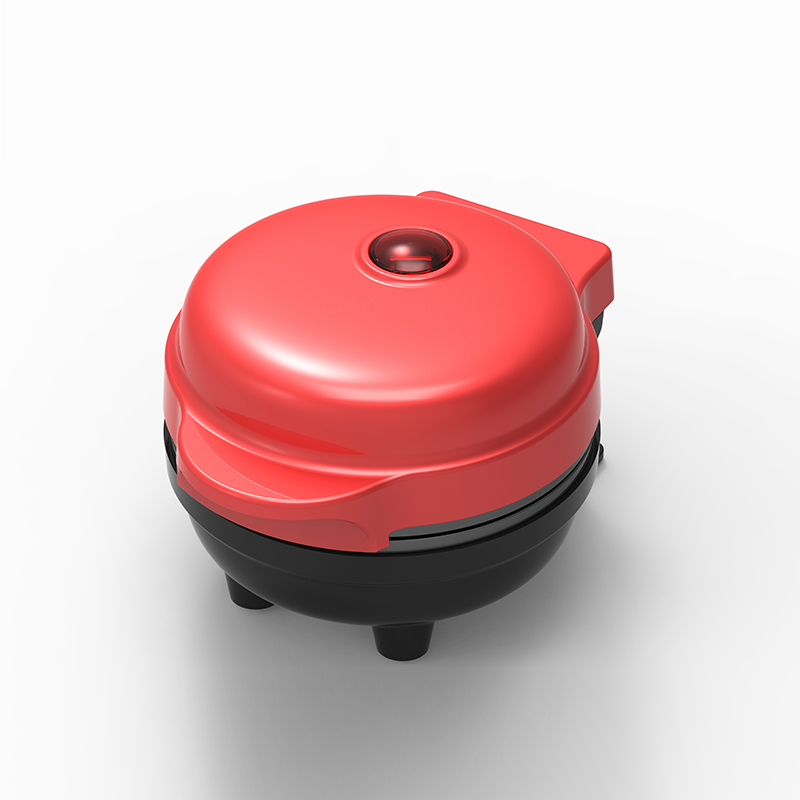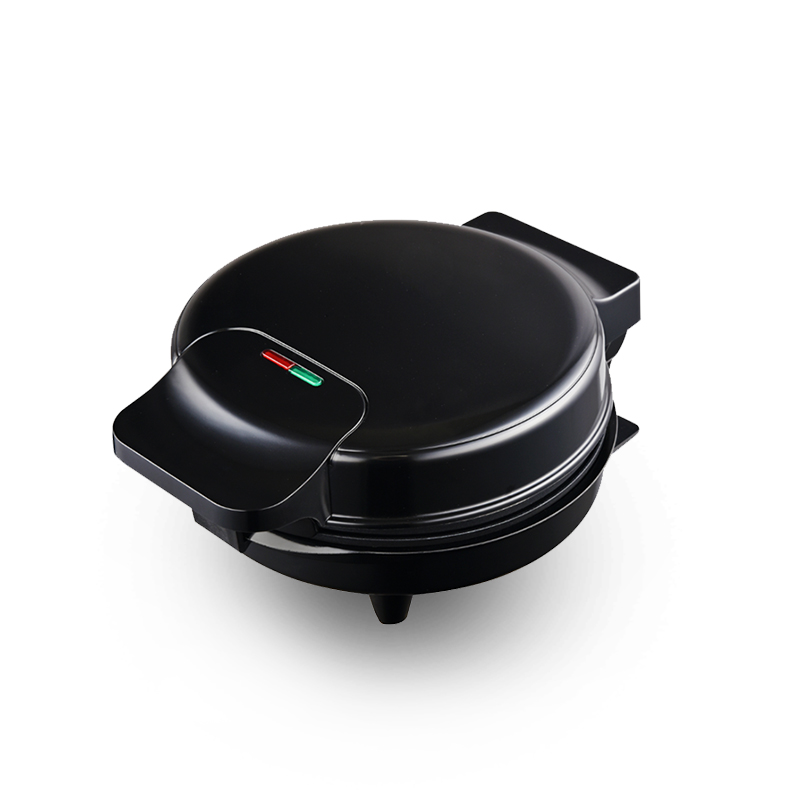
A sandwich maker is a compact kitchen appliance designed to heat, toast, and seal sandwiches by applying direct heat and pressure to bread with fillings inside. At its core, it transforms two slices of bread and a filling into a hot, sealed, crisp-edged meal in minutes. The answer to the question "What are the different types of sandwich makers?" is straightforward: they fall into three broad categories based on heating method, functional capability, and structural design. Understanding these distinctions helps you match the right appliance to your cooking habits, available counter space, and the kind of sandwiches you enjoy most.
1. Classification by Heating Method
The heating method is the most fundamental way to categorize types of sandwich makers, as it directly affects cooking speed, energy consumption, and the final texture of the sandwich. There are three primary heating methods available on the market today.
1.1 Electric Sandwich Makers
Electric sandwich makers are the most common type of sandwich maker found in households worldwide. These plug-in appliances use embedded heating elements within non-stick plates to deliver consistent, controlled heat. Most models operate between 700 and 1,200 watts, with an average preheat time of 2 to 4 minutes. According to data from the U.S. Energy Information Administration, a typical 900-watt electric sandwich maker used for 10 minutes consumes approximately 0.15 kilowatt-hours of electricity, costing roughly 2 cents per use at the average residential electricity rate of 16 cents per kWh. These appliances are prized for their convenience and safety features, including automatic temperature regulation and indicator lights that signal when the unit is ready to cook. The sealed heating environment traps steam, which helps melt cheese and warm fillings evenly while crisping the bread exterior.
1.2 Stovetop Sandwich Makers
Stovetop sandwich makers operate without electricity by absorbing heat directly from a gas or electric burner. These types of sandwich makers are constructed from cast aluminum or cast iron and consist of two hinged plates with long handles. The key advantage is zero electricity consumption and the ability to achieve higher temperatures than many electric models, which produces a deeper, more caramelized crust. A 2023 consumer survey by the Home Cooking Association found that 18% of households that regularly make toasted sandwiches prefer stovetop models for their durability and the nostalgic flavor they impart. Cast iron variants retain heat exceptionally well but require seasoning and careful cleaning to prevent rust. They are also fully immersible in water once cooled, making them easier to sanitize than electric units with non-detachable plates. The trade-off is that stovetop models demand more attention during cooking since there is no automatic temperature control.
1.3 Microwave Sandwich Makers
Microwave sandwich makers are specialized containers that use microwave radiation to heat sandwich ingredients rapidly. These types of sandwich makers are typically made from microwave-safe plastic or silicone and feature divided compartments that hold bread and fillings. Cooking time averages 60 to 90 seconds, making them the fastest option available. However, they do not produce a crisp exterior because microwaves heat food by agitating water molecules rather than applying dry radiant heat. The result is a hot, steamed sandwich rather than a toasted one. According to a 2024 report by the International Microwave Power Institute, microwave sandwich makers account for approximately 7% of the sandwich maker market by unit volume. They are most popular among students, office workers, and individuals with limited kitchen facilities. Their lightweight construction and low cost make them accessible, though the textural outcome differs significantly from electrically toasted alternatives.